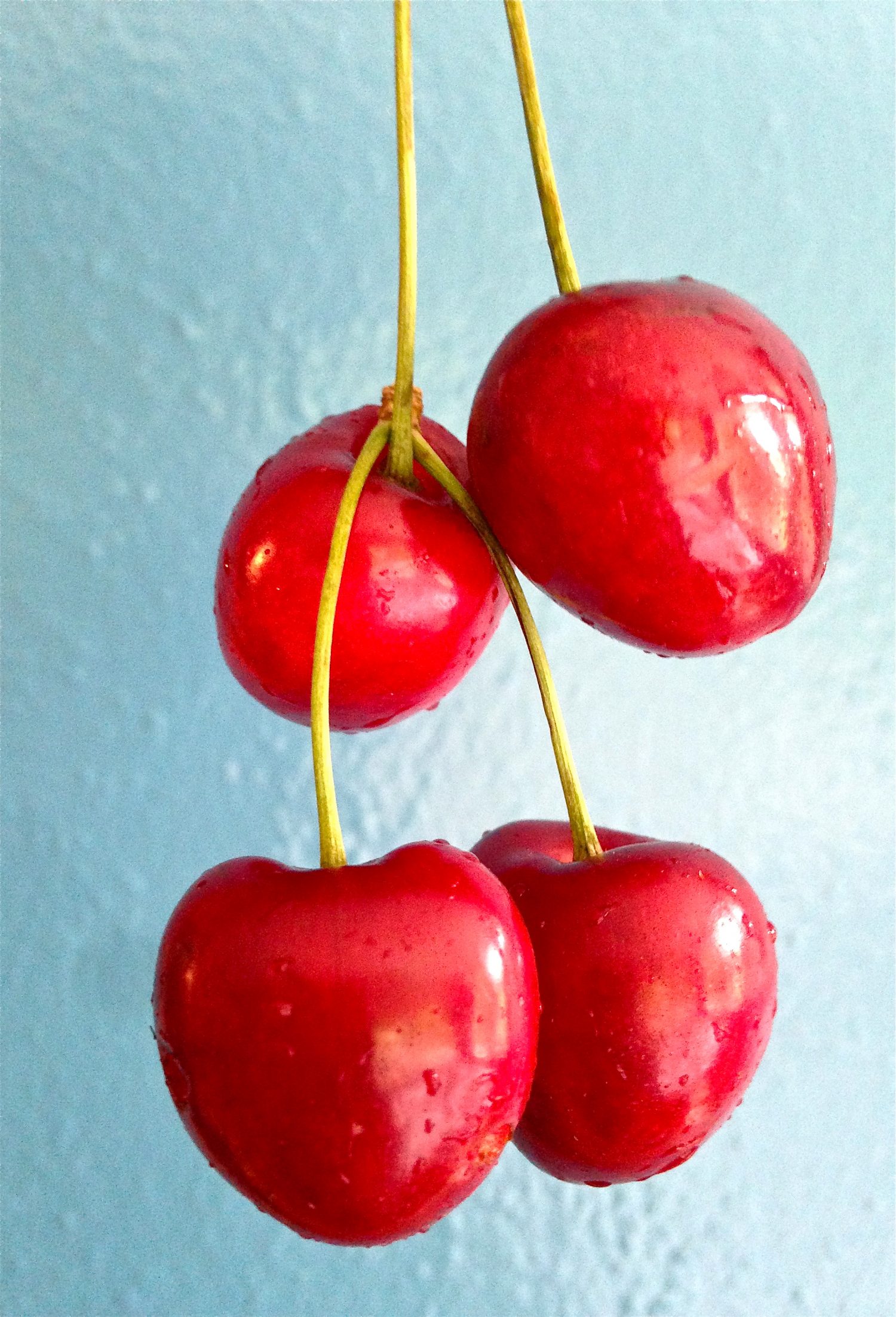
The garden is brimming, the canner is filling!
Preservation of abundance is the joyful task. It’s timely now to preserve our fresh foods and teach others this highly economical, self-empowering culinary tradition.
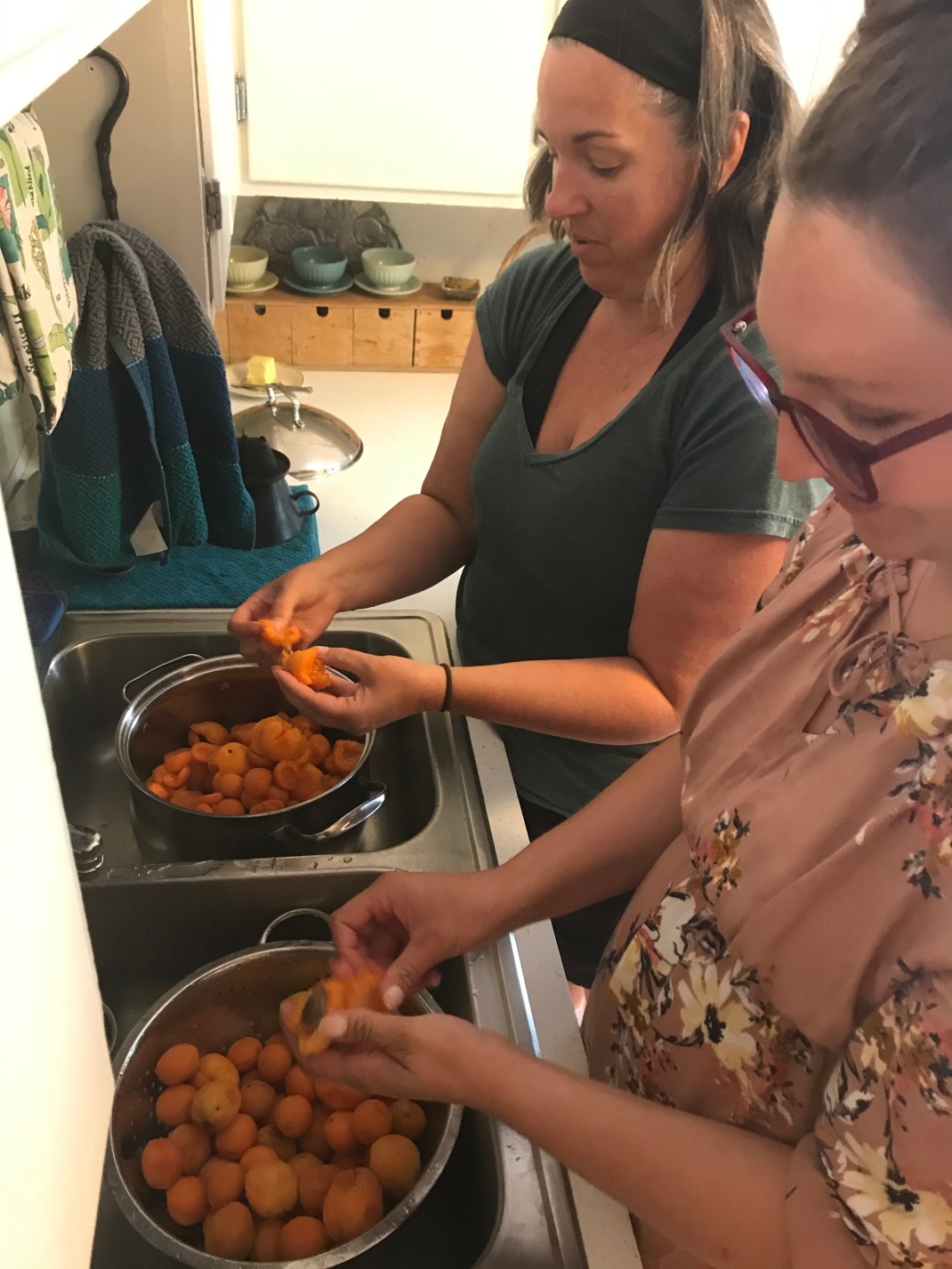
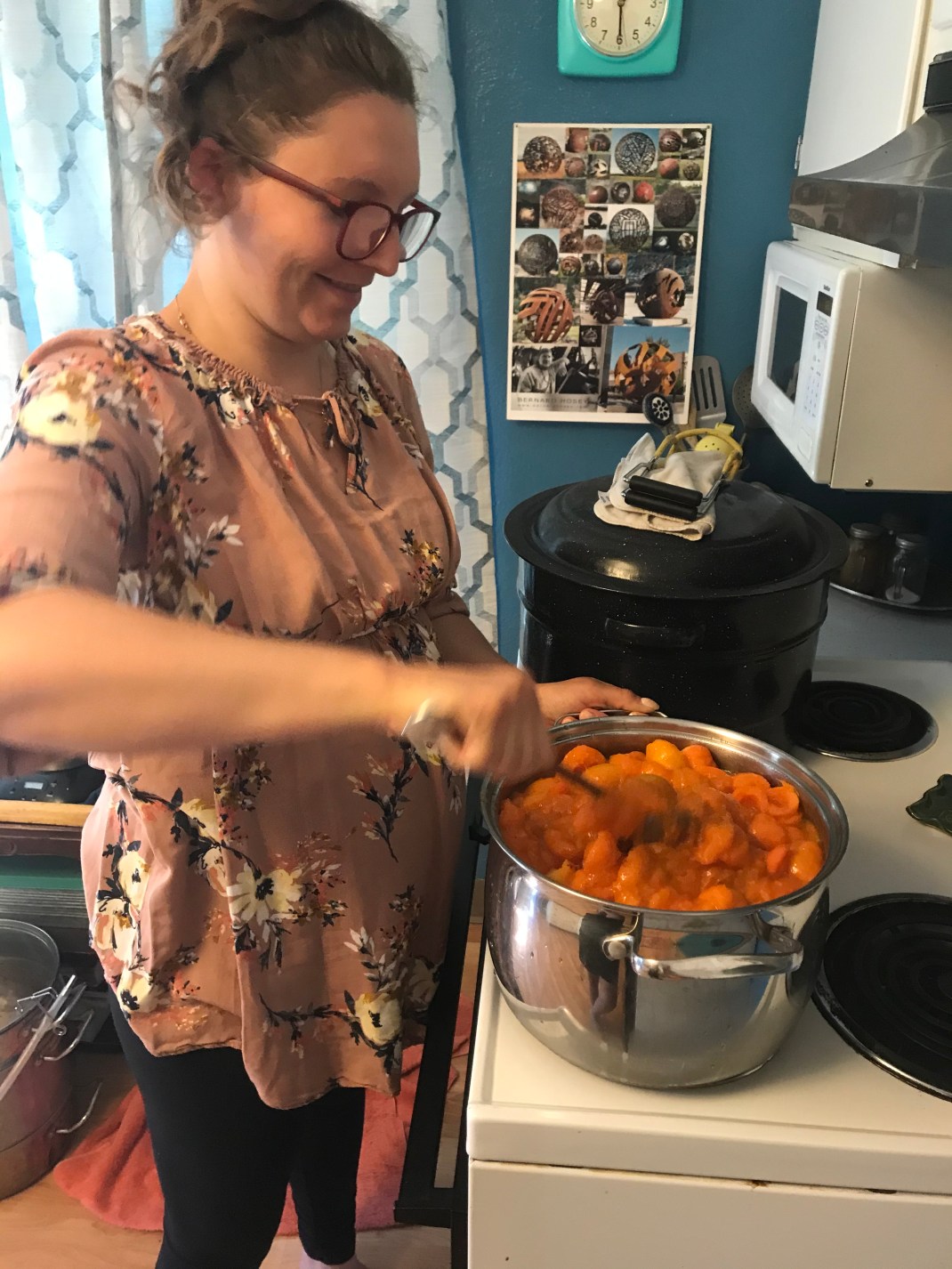
The experience of canning class is always a celebration of community. It’s a meaningful passing on of skills necessary to previous generations, taking hold again now as self sufficiency and frugality are revalued.
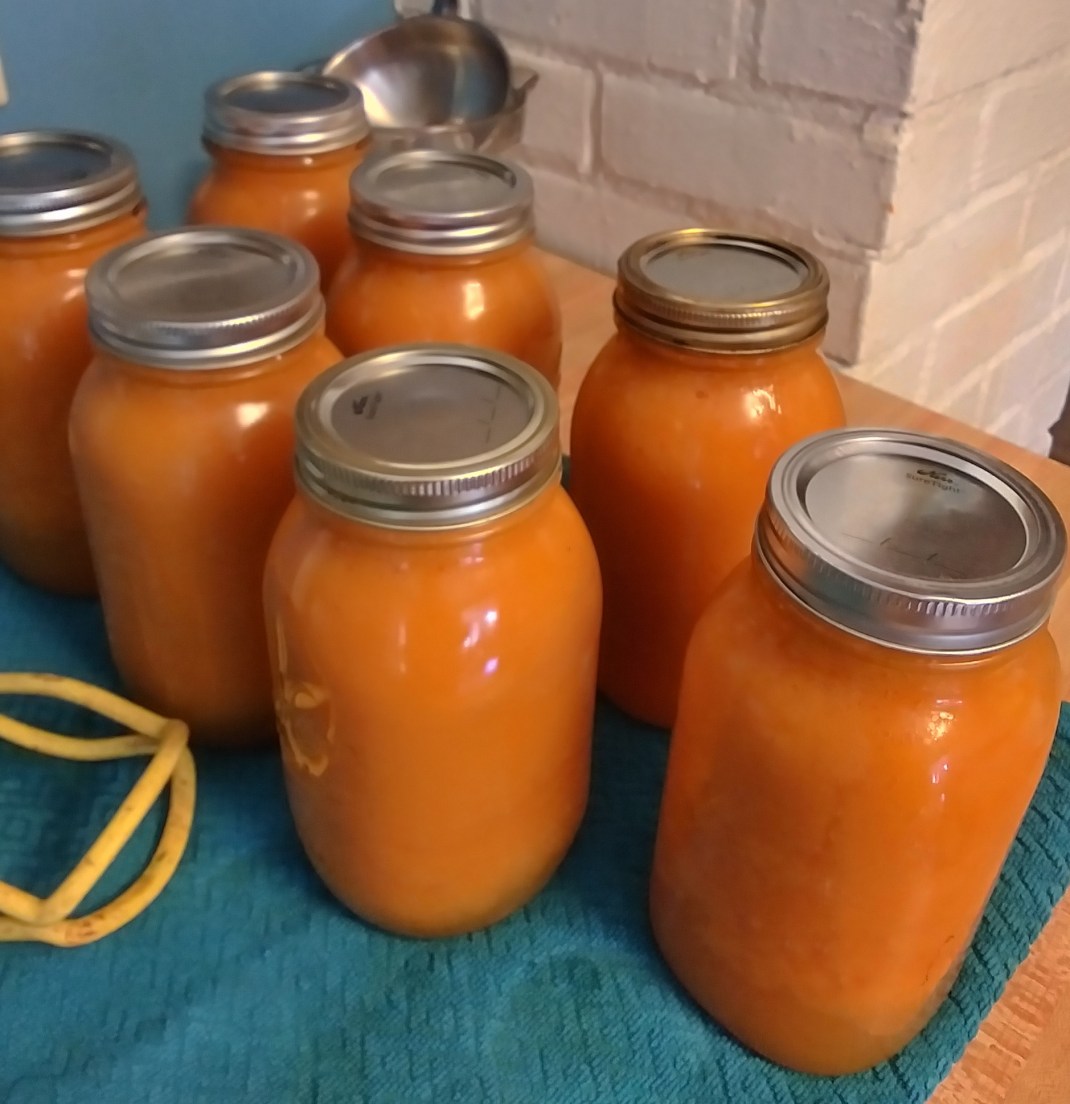
Apricot nectar was the number one choice of canning practices to learn for ladies in attendance at this week’s class. It’s fairly easy for the novice cook to pick up a jam recipe and, with correct method and good fruit, to produce accurately. But a preserve like nectar takes more time, more timing sensitivity, and some special equipment.
I have yet to see a published recipe for apricot nectar other than my own. And this recipe was learned only by watching a fine back-to-lander mama at work when I was a child. When I began preserving food for my own children, I remembered the succulent taste, tracked her down for her personal methods, and put them to work.
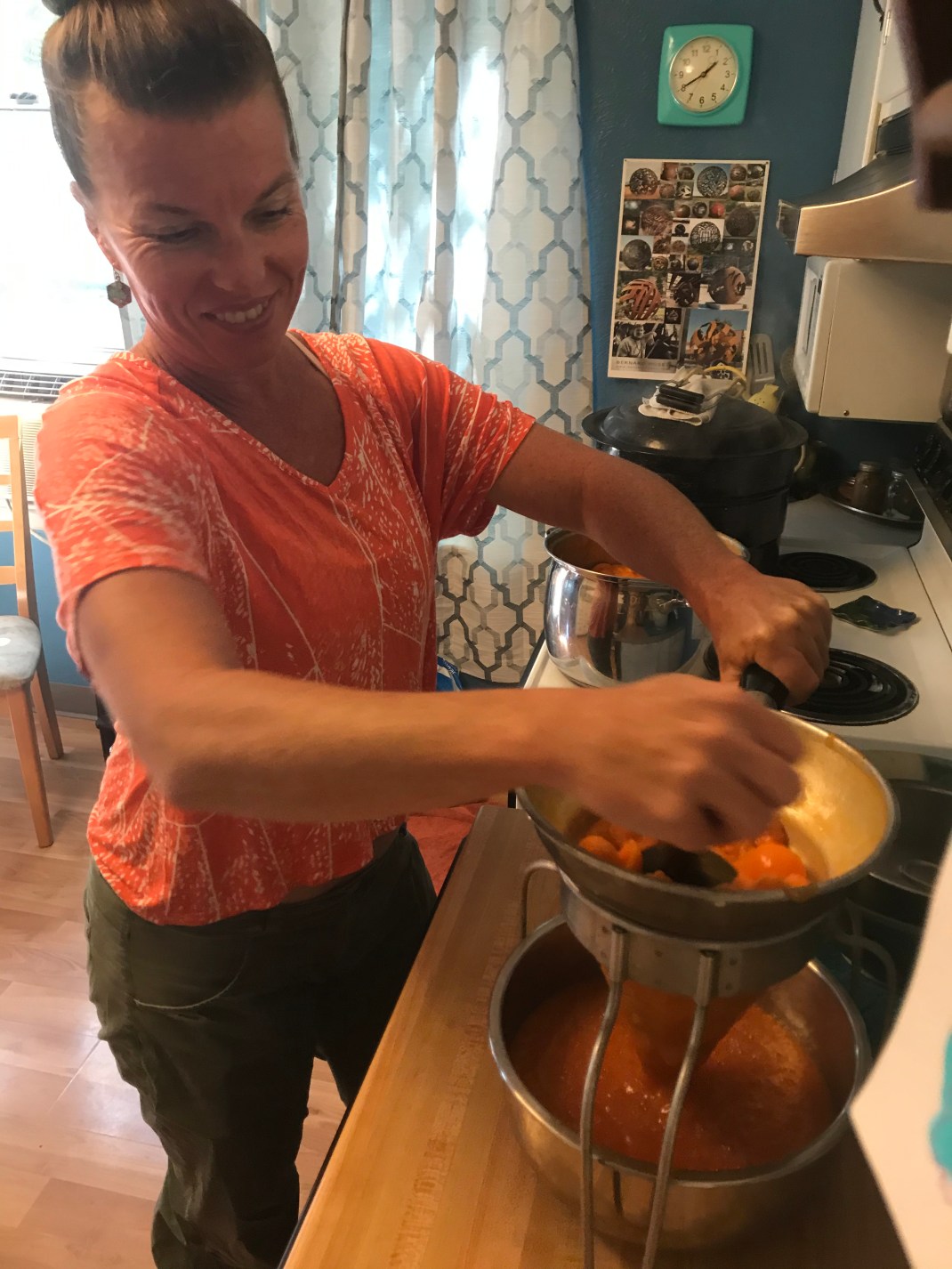
Here is the primary item needed for the perfect nectar consistency: the hand-crank food mill. To find one, I had to search and special order, purchasing the only one I could find–half the size of the food mill I remembered said hippy-mama using decades before.
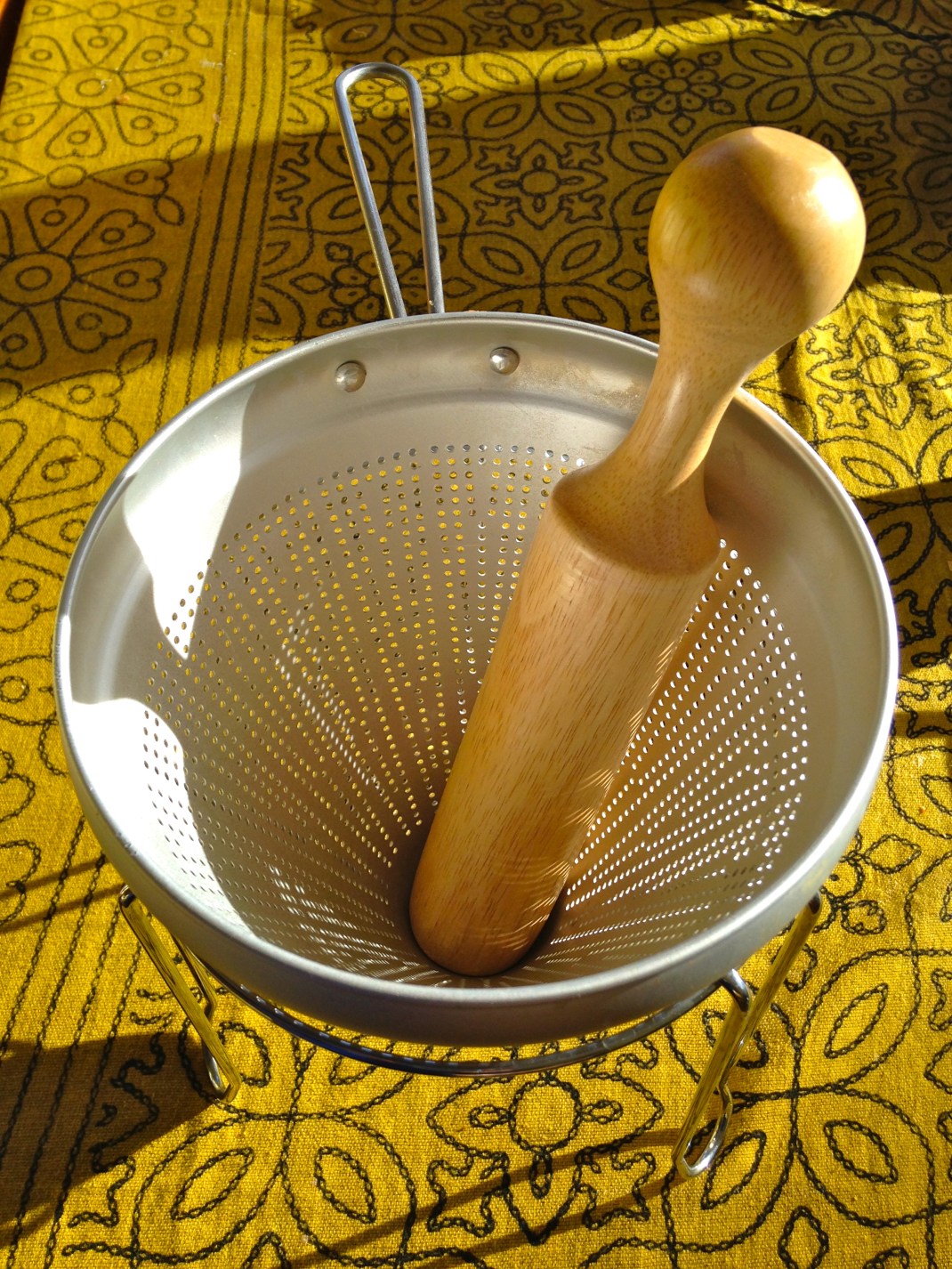
Hand-crank food mill, used for smashing cooked apricots down to a fine nectar, leaving all toughness of the skins behind, extracting every bit of goodness from the fruit.
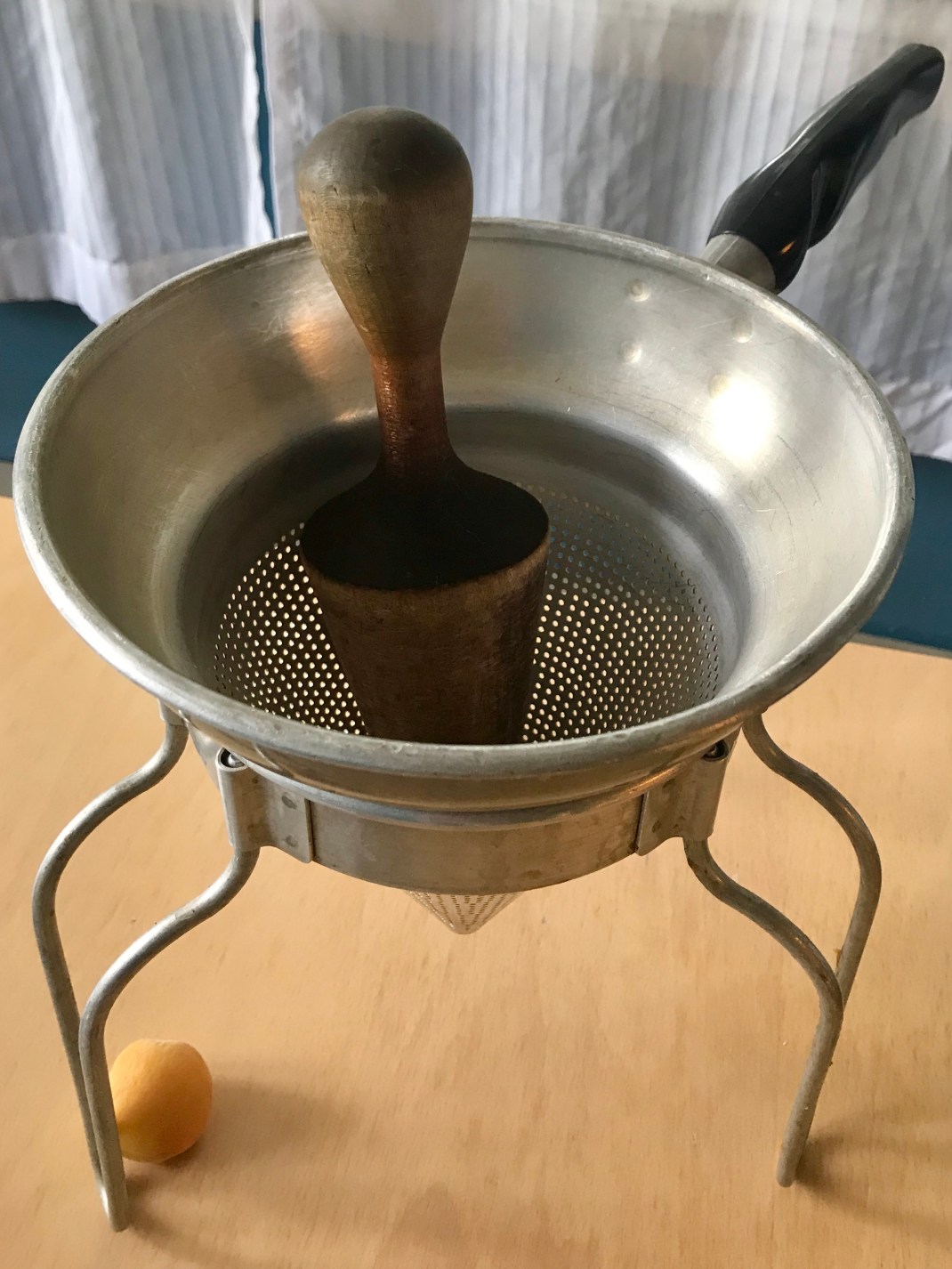
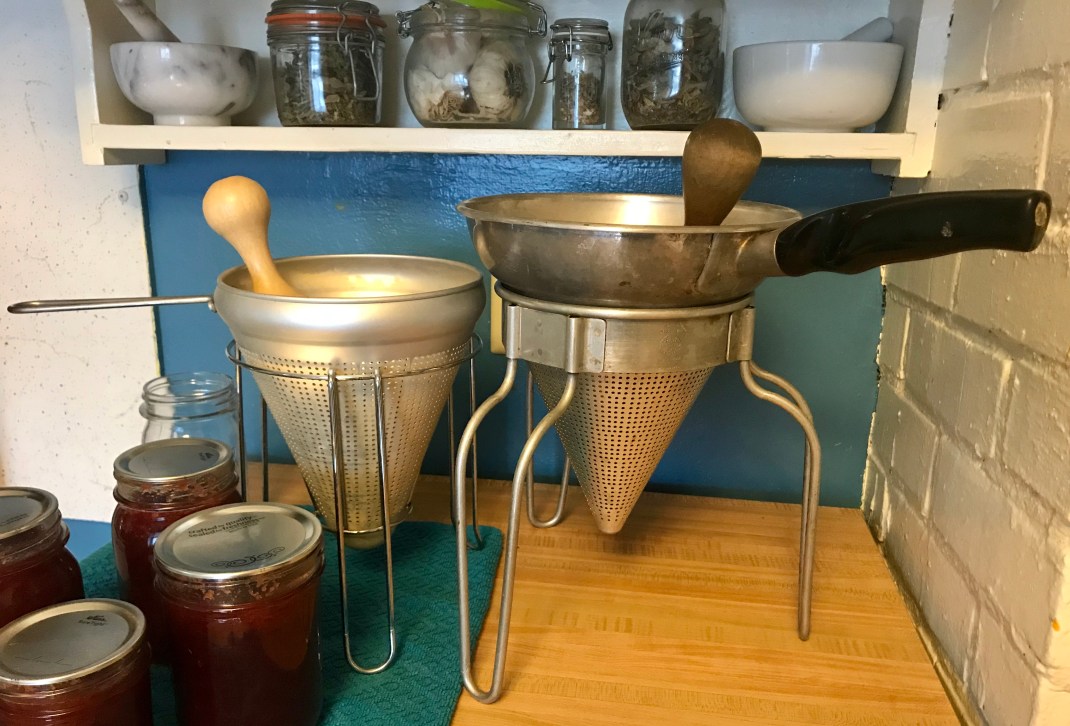
Fortunately I came across a major score. Pictured here is the food mill I found at a yard sale of a local great-grandmother in our little mountain town. It’s the right girth of my memory, capable of squeezing many more cots. This mill is awesome not only for nectar of apricots and peaches, but applesauce processing benefits enormously.
One beauty of this recipe is that it is entirely malleable to your taste–no sugar or sweetener is necessary to preserve, however the recipe is responsive to added acidity from lemon or sugar depending on the taste of your fruit. I choose to cook the fruit down, but a raw pack version is also possible and excellent.
~Method~
Canning lesson number one is to prepare. This means, place out all necessary equipment, tools, ingredients at work stations in the kitchen. Why is this so essential? Over decades of canning I’ve found that the only time I can make mistakes or lose my cool is when the timing gets off, or some tool isn’t right at hand.
So, first make your fruit processing station at the sink. Next, place out all jars according to volume of recipe. Fill your canner with water to boil jars to sanitize. Place out requisite lids and bands, a cone for filling jars, rubber tongs for lifting from the water bath, spoon for leveling fruit in jars, and last a clean cloth for a boiling water wipe of jar rims–essential for a good seal.
If all tools of the trade are out, your recipe is read and understood, then your timing will go smoothly and the process will be calm and meditative. Joyful production is the goal!
The most satisfying part of this recipe? One sip of nectar in winter is like a mouthful of fresh picked, sun ripened apricots at harvest.
~Apricot Nectar Recipe~
Yield: 7-8 quarts
Fresh, ripe apricots (approximately 3 gallons=12 quarts=100 apricots)
Hand-crank food mill
Water
8 quart size mason jars
New sealing lids, bands
Sugar or honey, to taste
Fresh lemon juice, to taste
~ Your apricots need not be perfect, but they must be ripe; after rinsing them, pit and cut any brown bits or buggy parts inside the cot, and fill your pot. Don’t worry about marks on the skin as they will be pressed and discarded. In this way, the recipe maximizes the fruit, capturing all possible pulp.
~ Fill your largest sauce pot to the brim with apricots and add enough water (3-4 inches) to account for moisture loss and to prevent sticking; cook on medium heat, turning from the bottom, until all fruit is softened.
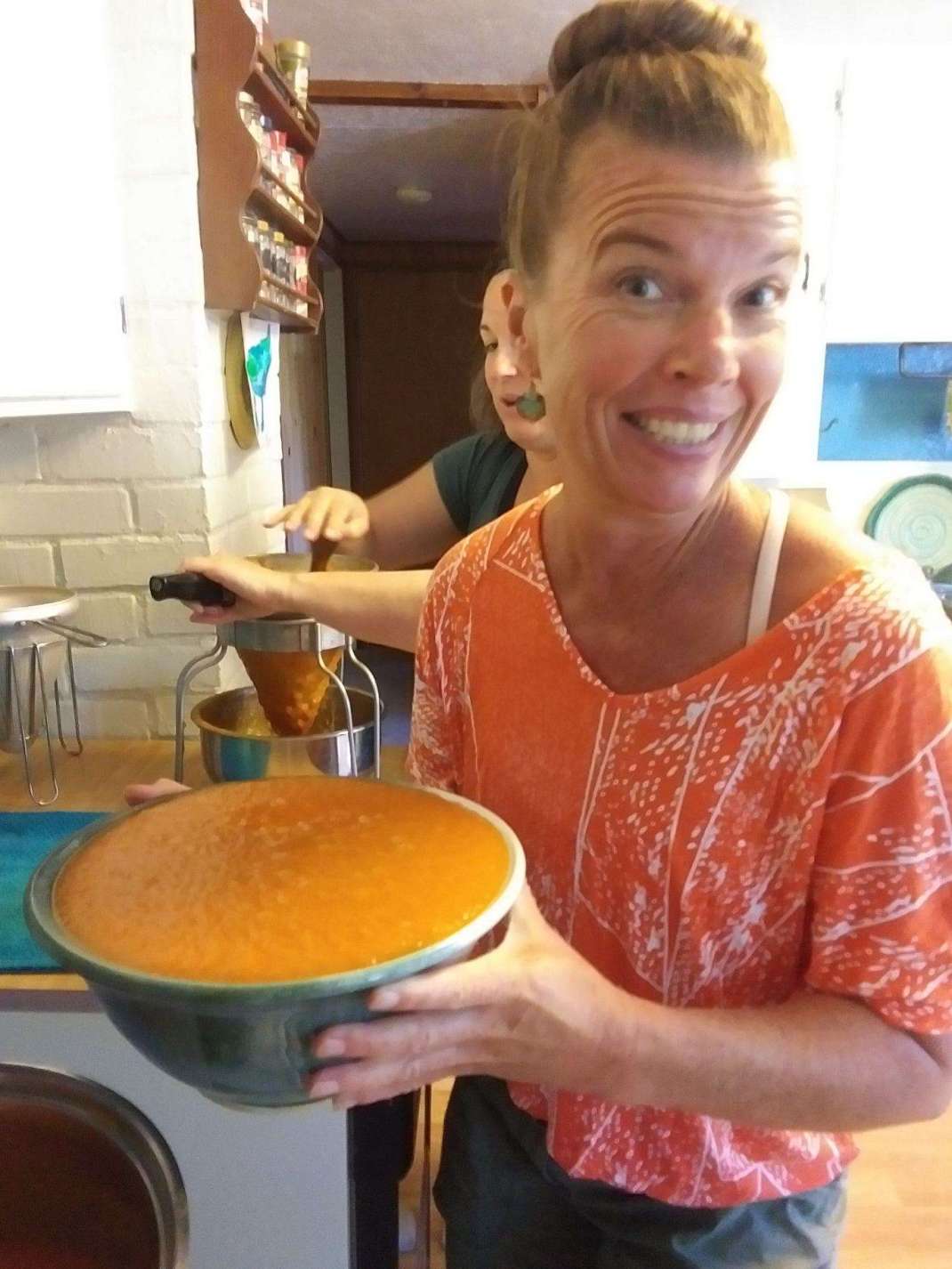
~ Place your food mill over a large bowl and have a couple other bowls on hand; fill the mill with cooked apricots, cranking both clockwise and counter clockwise and repeat until all nectar is extracted and you’ve pressed down the pulp as much as possible, and repeat; return all to the sauce pot.
~ Add honey or sugar and lemon juice to taste; generally I use very little lemon or none and as little sugar and water as possible, preferring a pure, thick nectar, however experiment to your liking. Then bring the nectar to a simmer and immediately can your nectar; as with any fruit or veggie, the less it is cooked, the more nutrients are retained.
Preserving Nectar
~ While you are processing the apricots, set your boiling water canner on high and boil quart jars to sanitize for 10 minutes.
~ Pour boiling water over new lids and bands and let sit.
~ Remove jars from hot water bath; fill each jar with nectar to within ½ in head space; in case of splatter, wipe jar rims clean with a wet, hot towel and lid them, screwing bands to fingertip tightness.
~ Process in hot water bath at a full boil for 25 minutes; remove from water and tighten bands; let stand untouched for 12+ hours to set.
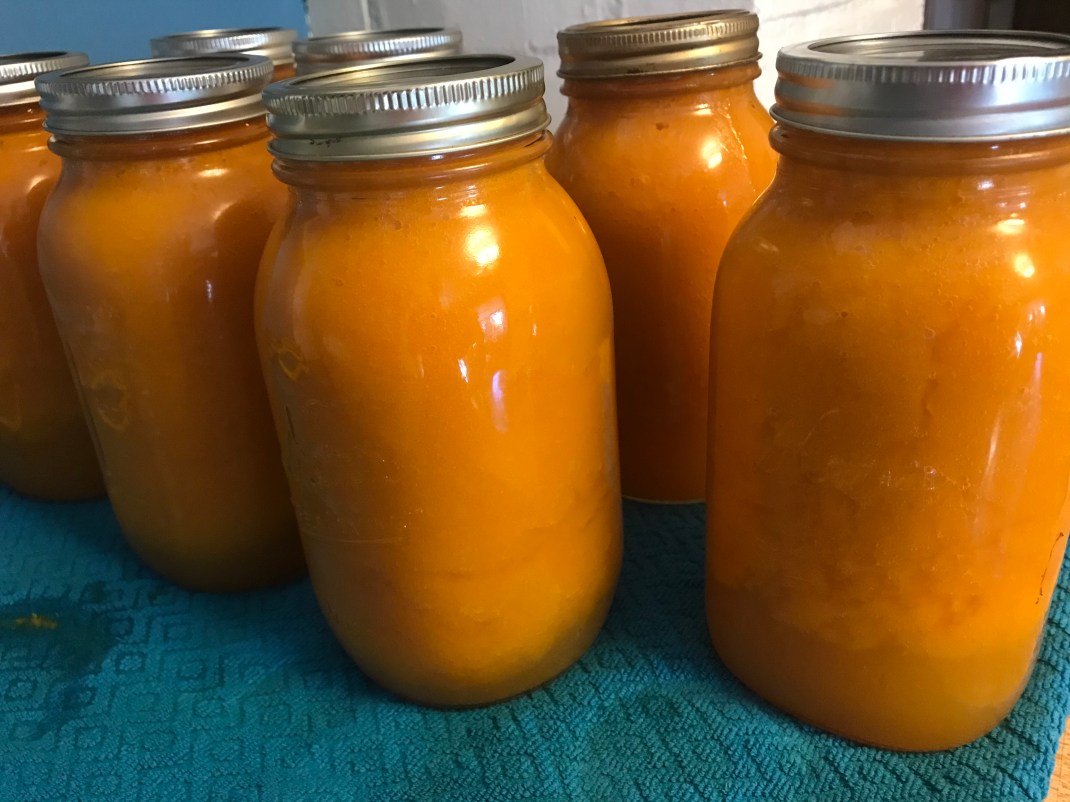
~ Put up in the pantry for sweet ambrosia all year long.
NOTE: Aside from a mega-nutritious drink, nectar is wonderful over ice cream for desert, added to yogurt for breakfast or snack and is our family’s all time favorite baby food.
Love from our pantry to yours! Georgina @ Soul & Stomach
 Soul & Stomach
Thank you Julia ~ and the super lovely part is the work is great fun!
A lovely article of inspiration.